

SLA (Stereolithography) is a 3D printing technology in which objects are formed layer by layer by curing liquid photopolymer resin with UV light.
This method enables high printing precision, highly detailed geometries, and a smooth surface finish.
SLA printing advantages
High level of detail and precision
SLA 3D printing enables the creation of extremely fine details and complex geometries. This is particularly important when producing small, visually intricate products, prototypes, models, and components that require high precision.
Smooth, high-quality surface
SLA technology is characterized by extremely thin layers, resulting in a smooth and detailed surface finish on printed parts. This reduces the need for post-processing and allows for an aesthetically pleasing appearance right from the start.
Manufacturing of complex and intricate geometries
Using liquid photopolymer resin makes it possible to produce very fine details, thin walls, textures, embossings, and complex shapes. This offers greater possibilities when creating prototypes and products with complex geometries.
Wide selection of specialized resins
Resins with varying properties are used for SLA printing—ranging from standard and visually appealing materials to those that are stronger, more flexible, or more resistant to heat and other stresses. The specific resin is selected based on the product’s intended use and requirements.
The ideal solution for visual prototypes and models
Due to its high level of detail and superior surface quality, SLA is particularly well-suited for product design prototypes, scale models, figurines, jewelry models, and other products where appearance and the reproduction of fine details are important.
Precise control of the printing process
SLA printing parameters can be tailored to the product’s size, geometry, and desired surface quality. Selecting the appropriate layer height, orientation, and print settings allows for a balance between detail, production time, and material consumption.
Resin printer types
SLA
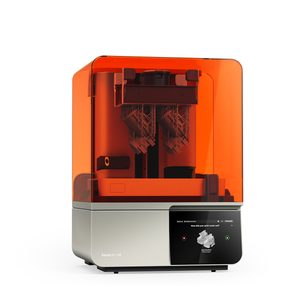
Laser SLA printers use a UV laser to cure liquid resin layer by layer. The laser traces each cross-section of the model onto the resin surface, creating highly precise parts with smooth surfaces. These printers are ideal for complex prototypes, dental models, and jewelry patterns due to their exceptional detail and precision.
DLP
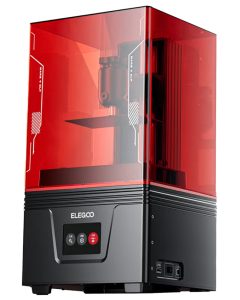
DLP printers use a projector to cure an entire layer of resin at once, making them faster than laser-based SLA printers. They maintain high resolution and are suitable for small to medium-sized parts where speed is important, such as miniatures or rapid prototyping.
MSLA
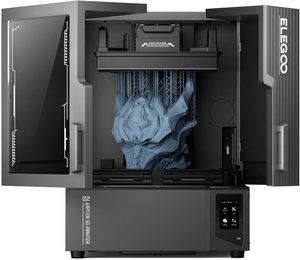
MSLA (Masked Stereolithography) is an SLA-based 3D printing technology in which an LCD screen and an LED light source selectively cure photopolymer resin layer by layer. The LCD screen acts as a digital mask, allowing an entire layer to be cured simultaneously.
MSLA is characterized by high detail, excellent surface precision, and fast printing speeds, making it particularly suitable for producing multiple small parts at once.
Industrial
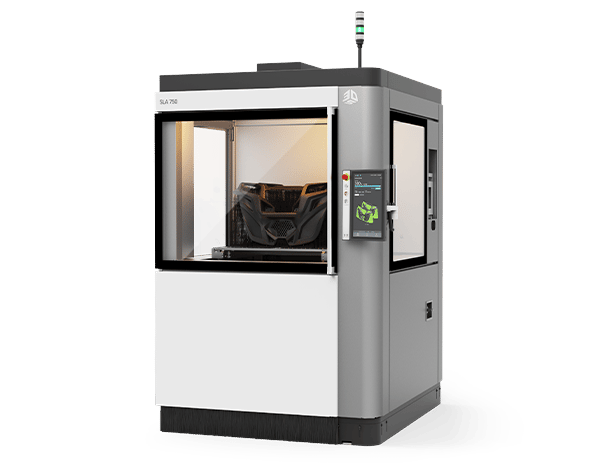
Industrial SLA machines are designed for high-volume production and demanding applications. They support a wide range of specialized resins, including flexible, high-strength, castable, and biocompatible materials. They are used for industrial prototyping, tooling, and large-scale models where standard desktop printers fall short.
3D Guru offers a wide range of SLA printers for individual customers and businesses. Find the equipment and materials that best suit your needs in the products section:
Request
Frequently asked questions (F.A.Q.)
How is SLA different from FDM?
The main difference lies in the material used and the printing principle. FDM uses plastic filament, whereas SLA uses liquid photopolymer resin. SLA is typically chosen when high detail, precision, and a smoother surface finish are important, while FDM is preferred for versatility, a wider range of products, and cost-effectiveness.
Are SLA products suitable for use as functional parts?
Yes, but this requires choosing the right resin. There are resins with varying properties—ranging from standard types to those that are stronger, more flexible, or more heat-resistant.
Do SLA products require post-processing?
Yes. After printing, the parts are typically washed with isopropyl alcohol to remove residual resin and then post-cured using UV light. Depending on requirements, they can be sanded, painted, or otherwise processed.