FDM (Fused Deposition Modeling) is one of the most popular 3D printing technologies, in which products are created by melting and depositing a plastic strand (filament) layer by layer.
This method enables the rapid production of prototypes, functional parts, small-batch products, and custom solutions.
FDM printing advantages
Rapid prototyping and single-unit production process
From idea to physical product in just a few hours. 3D printing allows you to quickly test solutions, make modifications, and produce the required part without lengthy preparation.
A wide selection of technical and visual materials
A selection of various plastics and other materials tailored to specific product requirements. Materials are selected based on the necessary strength, flexibility, durability, appearance, or intended use.
The ability to create complex, customized geometries
3D printing offers the freedom to create complex shapes, internal structures, and customized parts that can be difficult or expensive to produce using traditional methods.
Cost-effective solution for small production runs
Small-volume production does not require expensive molds or complex production preparation. This allows cost-effective production of one-off products and test runs.
Suitable for both functional prototypes and final products.
3D printing can be used not only for prototyping but also for the production of final parts and products. By selecting the appropriate technology and material, the required mechanical and visual properties can be achieved.
Wide range of parameters
The printing process can be precisely tailored to the product’s intended use by selecting layer height, infill density, wall count, surface quality, and other parameters. This allows for balancing print speed, strength, accuracy, and cost.
FDM printer types
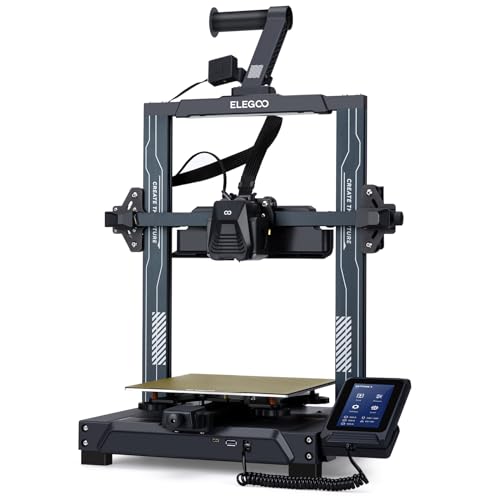
Cartesian
The Cartesian 3D printer, named after the Cartesian coordinate system, is the most popular type of FDM printer. In this type of printer, the print head moves along the X and Z axes, while the platform moves along the Y axis.
Core XY
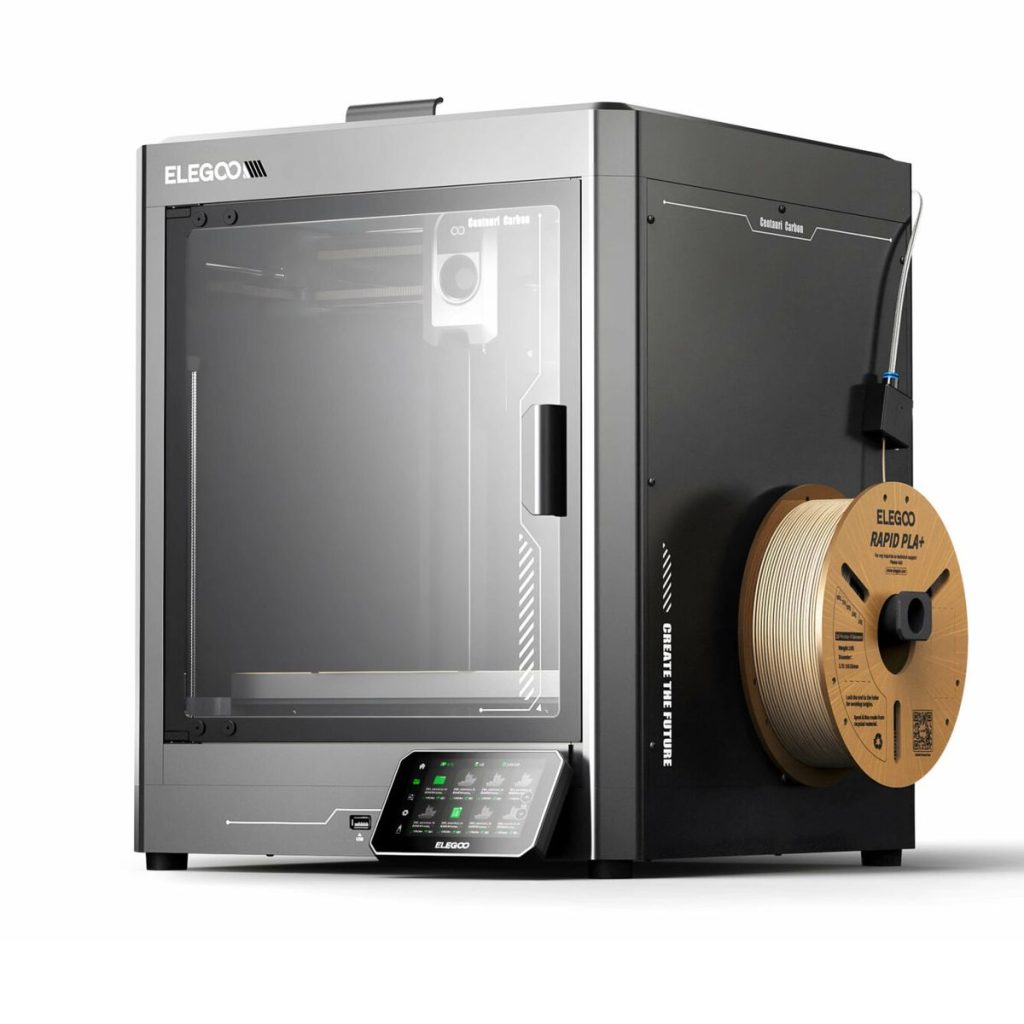
Unlike traditional Cartesian systems, where each motor is responsible for movement along a single axis, CoreXY uses two motors working together to simultaneously control both the X and Y axes.
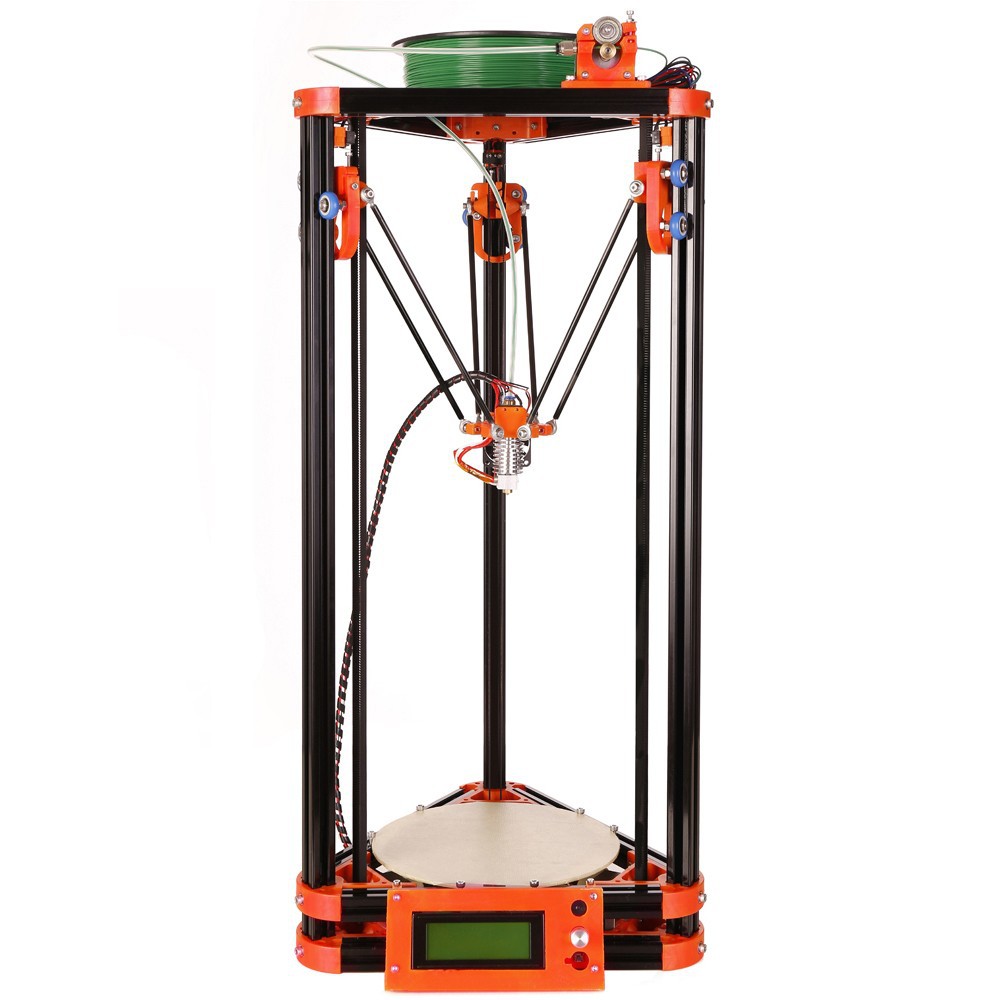
Delta
Delta 3D printers feature a circular print platform and an extruder assembly connected to three fixed points arranged in a triangle. Each of these three points can move up and down within the cylindrical print structure to position the print head exactly where printing is required.
Polar
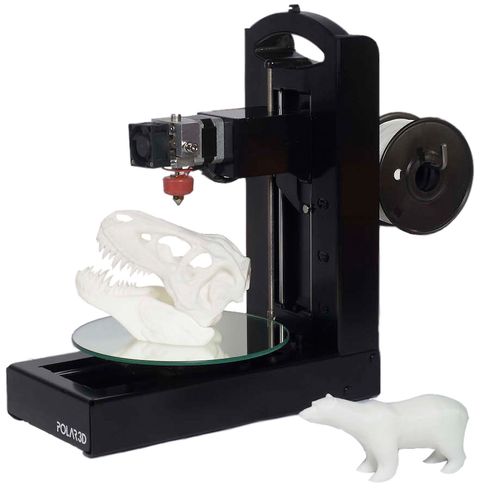
Polar 3D printers use a polar coordinate system in which the print head moves in radial and angular directions, rather than linearly as in Cartesian systems.
Polar 3D printers use circular print platforms that rotate and change height.
Belt
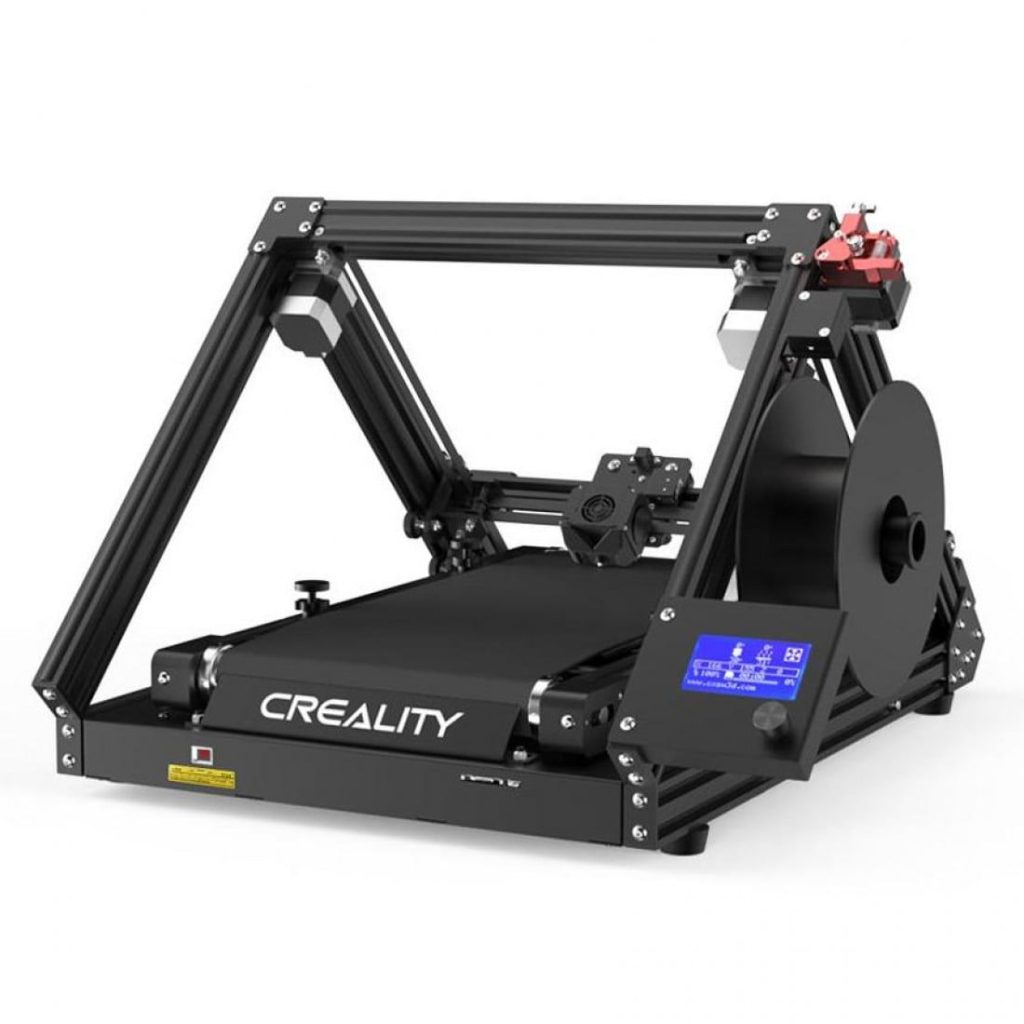
Belt 3D printers—also known as continuous or infinite 3D printers—use a conveyor belt or a continuous motion system instead of a stationary build platform.
They utilize a moving belt that conveys the printed object away from the print head. This enables the printing of objects without length limitations or the continuous production of multiple objects in succession.
SCARA
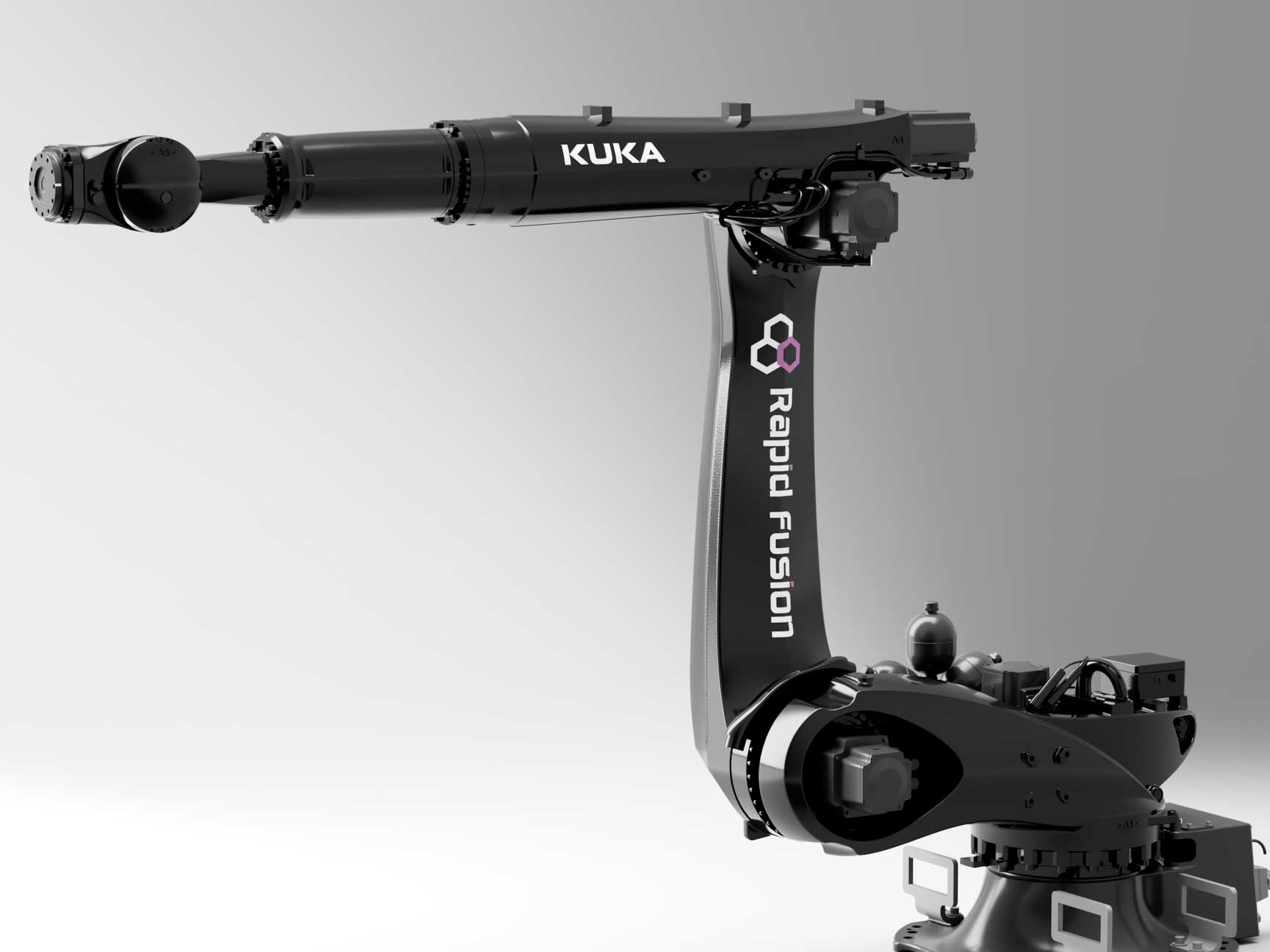
SCARA (Selective Compliance Assembly Robotic Arm) 3D printers use a robotic arm for 3D printing.
Robotic arm printers are not attached to a print bed, making them more flexible and mobile, as well as easy to transport.
3D Guru offers a wide range of FDM printers for individual customers and businesses. Find the equipment and materials that best suit your needs in the products section:
Request
Frequently asked questions (F.A.Q.)
What materials can be used for FDM printing?
The most commonly used materials are PLA, PETG, TPU, ABS, ASA, and various composites. The material is selected based on the product’s intended use, required strength, flexibility, temperature resistance, and other requirements.
Are FDM-printed products durable?
A product’s strength depends on the material used, geometry, infill, layer height, and printing orientation. By selecting the appropriate material, printing orientation, and parameters, it is possible to produce strong, functional parts, brackets, housings, tools, and other components.
How long does FDM 3D printing take?
Printing time depends on the size and geometry of the product, the selected layer height, and other parameters. Small parts can be produced in a few hours, while larger products may take significantly longer to print.